Have you ever watched a team lose the ball near the halfway line and then see the whole side retreat at once? We see this constantly when we watch recreational matches. Most players believe dropping back is the safest reaction, and in many ways it feels like the natural instinct. But our team has spent a long time studying the alternative, and it raises a question worth answering properly: what is gegenpressing, and why does it work?
Put simply, gegenpressing takes the opposite view. The moment the ball is lost, the players nearest to it sprint in to win it back. At first glance that looks reckless. Still, the idea has a clear internal logic, and we want to walk through it step by step rather than just attach a label to it.
Picture how a match feels from inside it. Your attention is fixed on the ball. Your body is still set for attack. Then, almost without warning, the opponent controls the play. The choices you make in the next few seconds shape a great deal of what follows, and that is exactly the window gegenpressing is designed to exploit.
So what is gegenpressing, in plain terms?

Gegenpressing, also known as counter-pressing, means pressing the opponent immediately after your own side loses possession. The goal is to recover the ball close to the spot where you gave it away, rather than letting the other team settle, look up and build an attack at their own pace.
We like to imagine the moment itself. The opponent has just won the ball but has not yet organised their shape. Their passing options are narrow, teammates may still be drifting into position, and the player on the ball is often looking down. Gegenpressing targets that short, fragile window before they find their footing.
Why those few seconds of transition matter so much

Transitions, the moments when possession changes hands, usually last only a few seconds. During that time the side that has just won the ball tends to look for a safe pass backwards or out wide. The side that has just lost it is often disorganised, and that disorganisation is precisely the gap a gegenpress exploits.
The player nearest the ball has to commit without waiting for instructions from the bench. In our experience, that first responsibility falls on whoever is closest, and everyone else has to react to that decision. It can feel uncomfortable at first, because it asks players to act on instinct rather than on a set routine.
Several things tend to happen inside that window. The opponent has no time to pass calmly. They have no time to lift their head and scan the pitch. Your chance of winning the ball back is far higher than it would be once their shape has settled into place, and that difference is what makes the tactic worth the risk.
Keeping the distances between players tight
To press well, players cannot be spread too far apart. If two teammates are more than about ten metres apart, a single pass can carry the ball past both of them. So the players nearest the ball step out to press, while those further away shift across to compress the shape around it.
The principle is simple: keep the gaps between the lines short. A compact team leaves very little free space for the opponent to exploit. Sides that manage this well usually rely on coordination between the lines rather than on one brilliant individual doing all the work.
We have watched teams attempt to press with a loose, stretched shape, and it almost always collapses. Each presser ends up isolated, and the opponent simply plays around them. Tightness is what turns a set of chasing players into a genuine system.
How the defensive cover stays safe

High pressing always carries risk. If the press breaks down, the opponent can launch a long ball over a high back line. To guard against this, one or two players are often kept deeper, a role sometimes called rest defence.
Their job is to read the play and cut off the counter-attack before it gathers pace. The difficulty lies in finding the right balance. You need to press high enough to create real pressure, but not so high that a large gap opens behind the defence. Inexperienced teams make this mistake again and again, usually because they are so eager to win the ball quickly that they forget what lies behind them.
What a typical gegenpress looks like on the pitch

Consider a situation we see regularly. Your side loses the ball on the right wing, near the touchline and far from the opponent’s goal. Within three to five seconds, four nearby players swarm the ball. Two of them block the forward passing lanes, one cuts off the sideways pass, and one holds a position just behind them to provide cover.
The usual result is that the opponent must hit a hopeful long ball or give the ball away immediately. Not every attempt succeeds, and sometimes the press is simply bypassed. Even so, when it does come off, the feeling is very different from dropping into a deep block and watching the opponent take their time.
The physical cost and how to manage it
High-intensity pressing is exhausting. Sprinting non-stop for ninety minutes is unrealistic for most teams, and even professionals use it in bursts. That is why gegenpressing is normally deployed for short spells, followed by a withdrawal to recover energy.
Sustaining it requires smart substitutions and clear roles. Not everyone needs to press constantly. A player further back can ease off a little, while those in front surge forward at the right moment. We have seen amateur sides fade badly after twenty minutes because everyone chased the ball together. It is an expensive lesson, and it is almost always learned the hard way.
How it differs from sitting in a deep defensive block

The two approaches differ in several clear ways. Dropping back is slower but more stable, while gegenpressing is quicker and carries more risk. Neither is a magic answer, and each suits different circumstances.
Reaction timing is the first difference. A deep block responds once the opponent has organised themselves, whereas a gegenpress reacts within seconds of losing the ball. The shape also changes. The block stays looser and yields ground, while the press keeps the lines close together and pushes up. The trade-off is that a failed press leaves space behind you, and maintaining it across a full match costs far more energy.
The right choice depends on your squad, your fitness and how your team habitually plays. A side with quick, aggressive midfielders may thrive on pressing, while a side built around disciplined defenders may prefer to wait and strike on the counter.
Can amateur players borrow the idea?
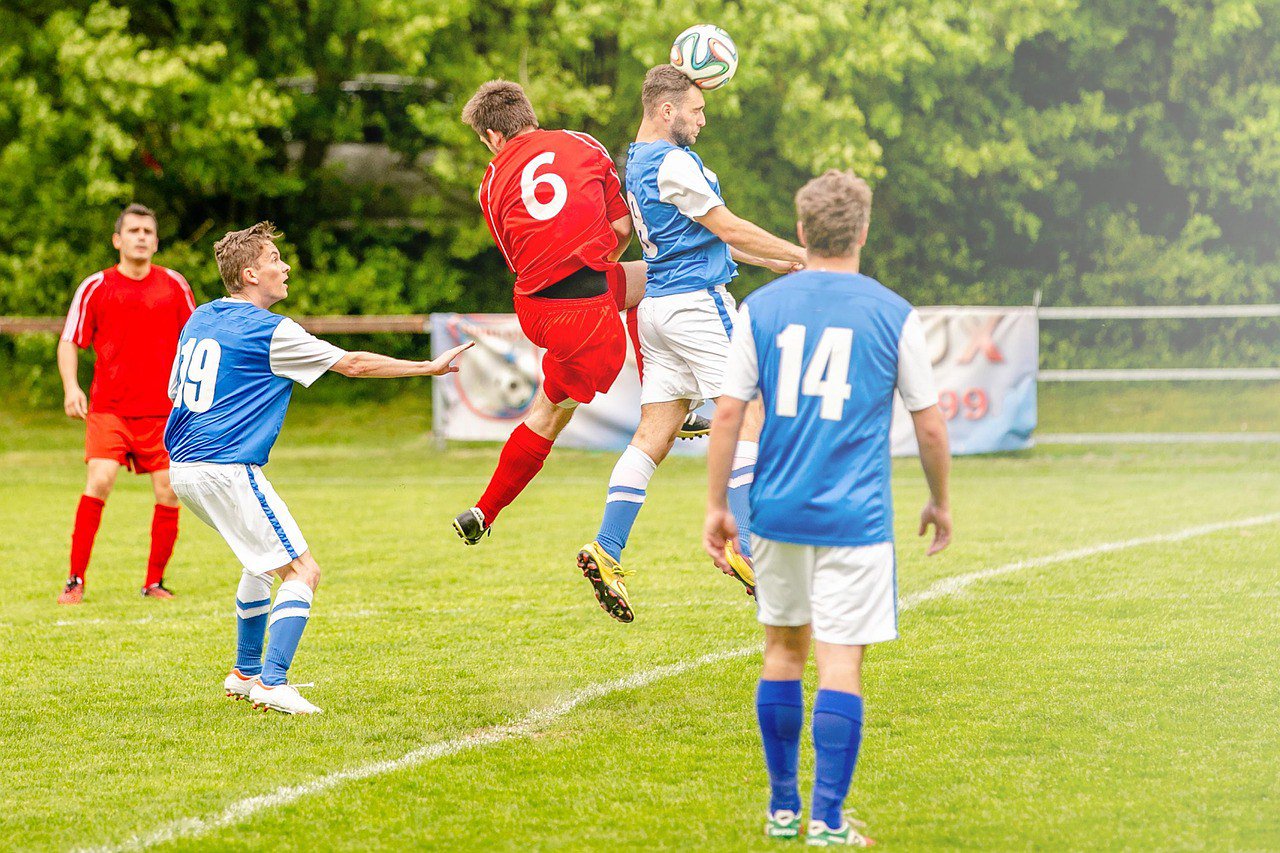
You do not need a professional squad to make this work. We usually suggest starting with the simplest rule: whoever is nearest the ball goes straight at it, and everyone else holds their position. The rule is easy to remember and does not demand complicated coordination from players who may only train once or twice a week.
Next, practise small-sided situations such as rondos or four-versus-four games. These drills train players to react instantly when possession is lost, rather than pausing to think. Pressing for a short spell and then recovering into shape is enough for most recreational teams. If you want to see how this approach is reshaping the modern game at the top level, our tactical breakdown of how high pressing is redefining the modern game goes into considerably more detail. For wider coverage of the sport, our football section is a good place to keep reading.
Frequently asked questions about gegenpressing
How is gegenpressing different from ordinary pressing?
Ordinary pressing can happen at any moment, including when the opponent is comfortably keeping the ball. Gegenpressing focuses only on the instant right after your team loses possession. Timing is the key distinction, and it explains why the tactic looks so urgent when you see it in practice.
Should amateur teams press high all the time?
We would not recommend it. Recreational players rarely have the fitness to sustain that intensity for a full match. Pressing in short bursts and then recovering into shape works far better, and it keeps the team organised even when legs are tired.
Why does gegenpressing usually go with a compact shape?
When the lines are close together, players can support each other immediately. If the gaps are too wide, the first presser is isolated and easily bypassed. A compact shape keeps the press organised and makes it harder for the opponent to find a free passing option.
Do you need exceptional fitness to play gegenpressing?
Good fitness is an advantage, but it is not a strict requirement. More important are coordination, clear rules and knowing when to press and when to drop back. Those are skills you can train over time, and they often matter more than raw athleticism.