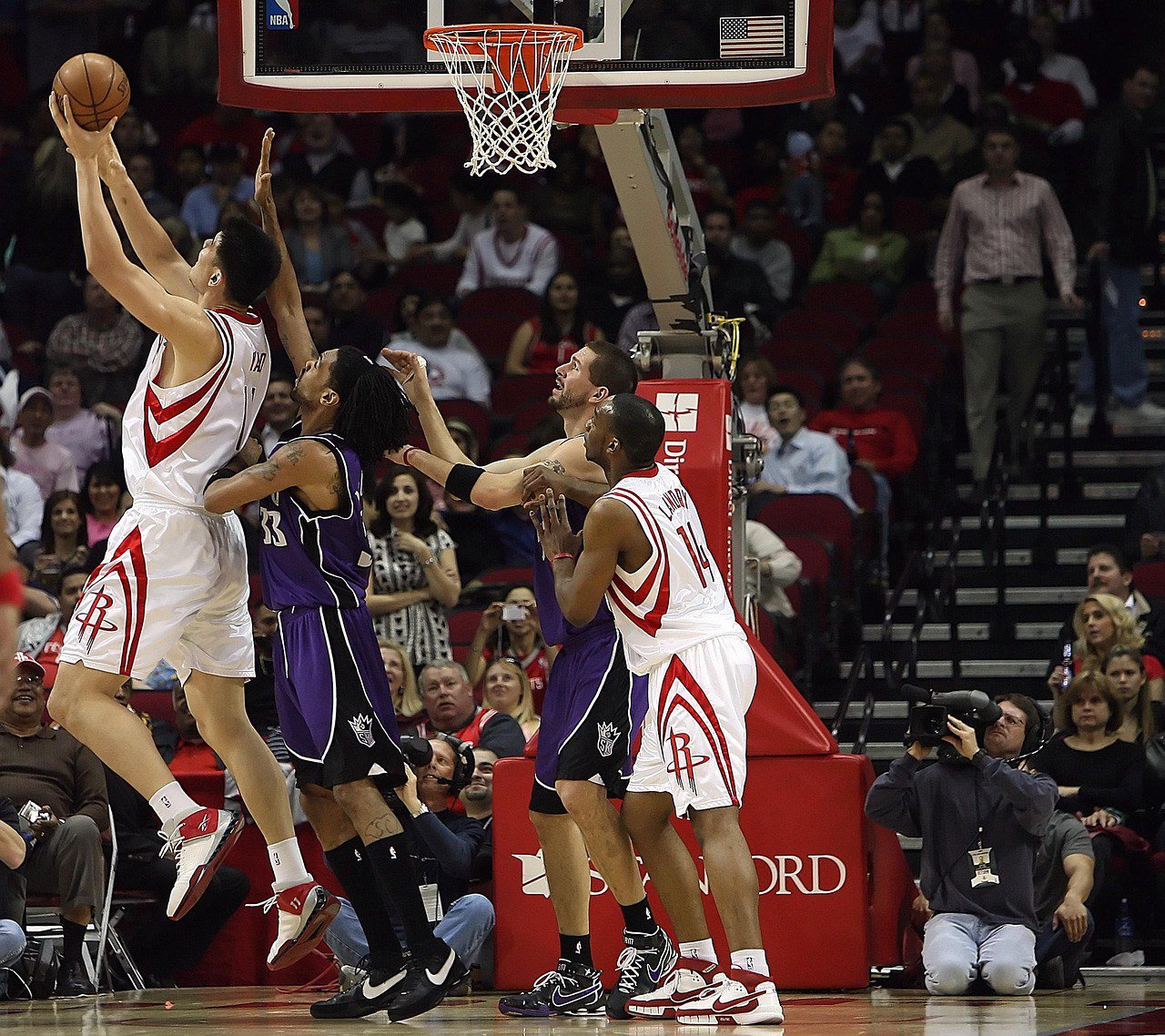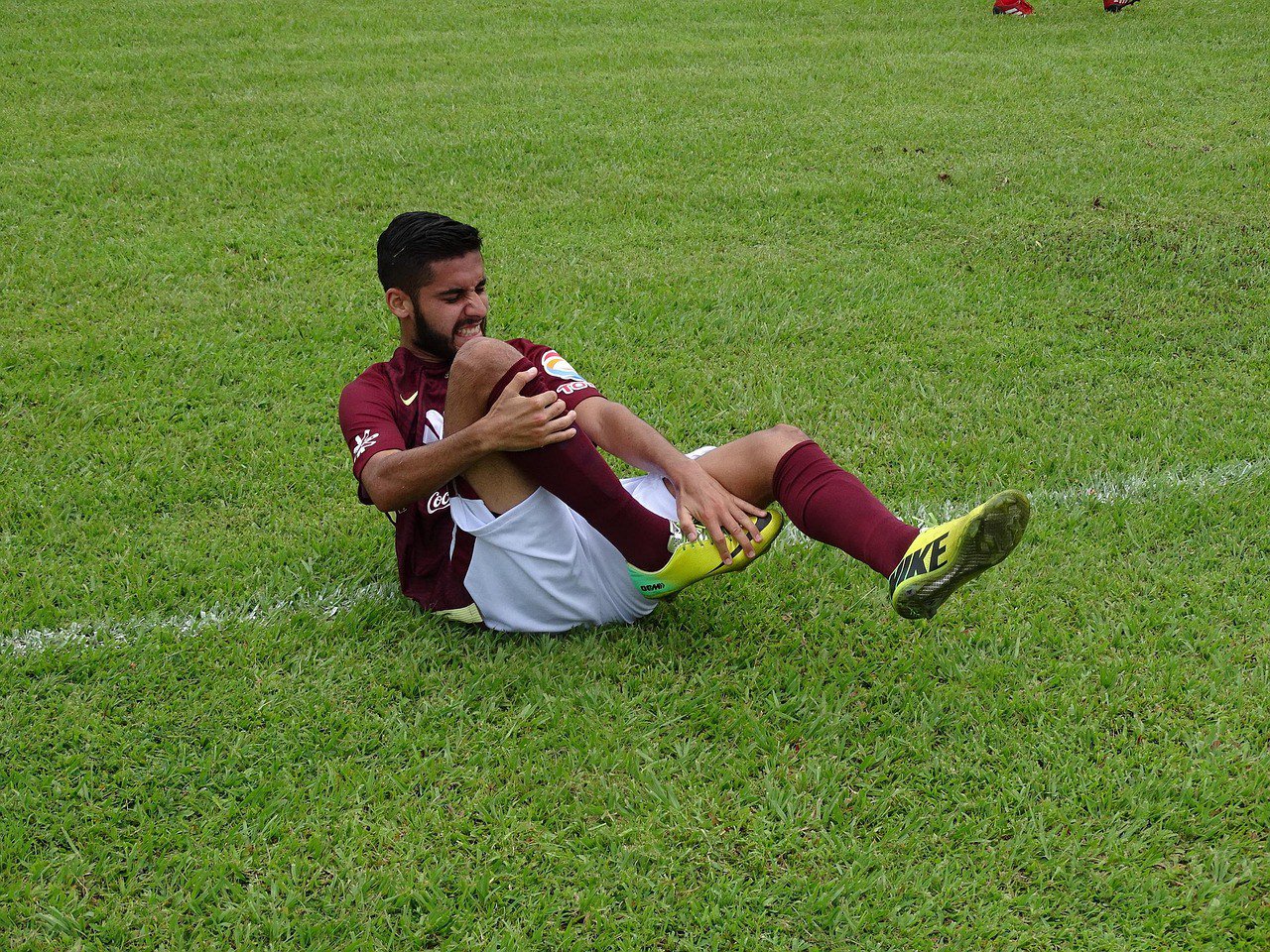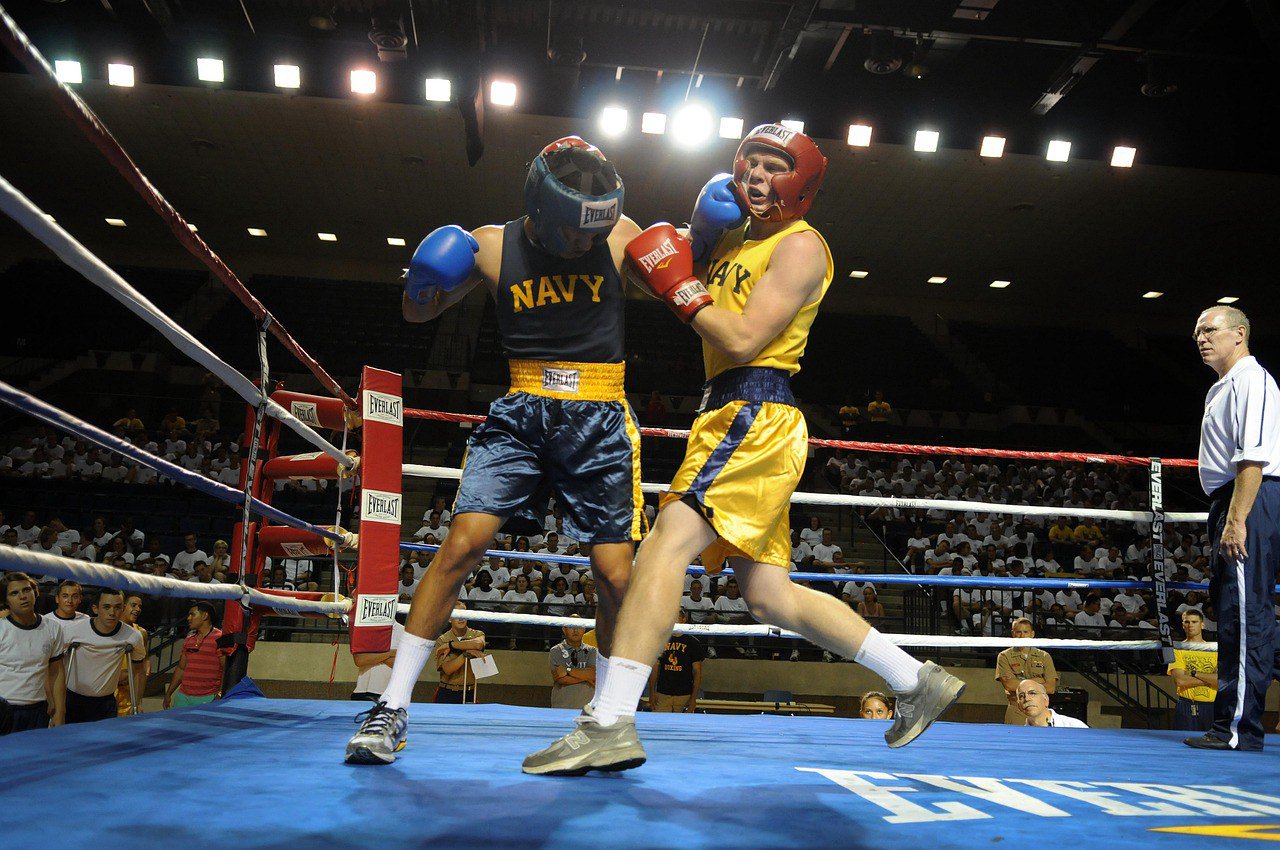


When we talk with club players and weekend athletes who train on their own, the same story keeps coming back. They start strong, skip one session after a rough week, and then quietly drift away for a month. Our team has watched this pattern play out more times than we can count. In our experience, the fix is rarely more willpower. The real change happens in how you measure progress, how you structure your week and how you treat your own body. If your only goal is a result you cannot fully control, one bad weekend can make the entire plan feel pointless.
So we want to share what we tell people who train without a partner or squad. Staying driven on your own is hard for reasons that have little to do with laziness. Once you understand those reasons, you can build small habits that actually keep you going. Think of this as a practical walk-through, based on the athletes we have coached and the mistakes we have seen them repeat.
Why Solo Training Drains Your Drive

Most people who quit solo training were not lazy. They were chasing goals like winning the league or dropping five kilos. Those goals depend on things outside your control: referees, opponents, or how well you slept the night before. When the scoreboard refuses to move, your brain reads that silence as failure, and it stops rewarding the effort you are still putting in.
The mistake we see most often is treating results as the only goal. One of our players missed two sessions in a row, felt guilty about it, and then did nothing at all for almost three weeks. By the time he came back, the whole plan felt like a debt he could never repay. A far better starting point is to set goals you can hit this week, whatever happens on the pitch or in the gym. Once you see the gap clearly, the next step becomes obvious.
Set Process Goals Instead of Outcome Goals

An outcome goal describes where you want to end up. A process goal describes what you will actually do. The difference matters because you can only control the second one. That sounds obvious when you write it down, yet almost every solo athlete we work with starts by writing outcome goals.
Compare “win the league” with “complete three sessions this week”. The first depends on teammates, other teams, and a fair bit of luck. The second depends on your calendar and your willingness to show up. Over a full season, process goals quietly add up to the result you wanted anyway. We have followed players who ignored the table entirely and still had their best year, simply because they kept turning up.
Pick one process goal per week, keep it specific, and check it every Sunday evening. “Twenty minutes of ball work on four days” is measurable. “Get better at dribbling” is not. When you hit the goal, mark it down and enjoy it. When you miss it, adjust the number next week instead of abandoning the whole plan. Small adjustments keep the habit alive far better than dramatic resets.
A Training Log Helps More Than You Expect
Memory is unreliable when motivation dips. In a low week you tend to remember only the bad sessions and conclude you have made no progress at all. A written log corrects that bias, and it is one of the simplest ways to stay motivated when training alone.
For each session, note the date, how long you trained, the drills you did, and your effort on a 1 to 10 scale. Add one short line about how it felt. Use a notebook or a free app, whichever you will genuinely open. The tool matters less than the habit of writing things down, so do not spend a weekend designing the perfect spreadsheet.
Review the log once a month. You will often find that sessions you thought were pointless were actually the ones where your first touch improved or your sprint recovery got quicker. That evidence carries you through flat weeks, when nothing on the surface seems to be changing. If you later move your log into a digital tracker, make sure it runs on reliable infrastructure so your records are never lost. Our team has seen athletes lose months of data to a cheap, unstable site, which is a frustrating way to lose motivation.
Keep Drills Varied So Training Does Not Feel Like Homework

Boredom is the most common reason solo routines collapse after three or four weeks. Ten passes against a wall every day is fine for a while, and then it starts to feel like a chore you are paying off.
We recommend rotating three types of work inside a fixed weekly plan: skill, conditioning, and small challenges. One week we often use goes like this. Technique on Monday, intervals on Wednesday, ladder and agility on Friday, and a match simulation on Saturday. The plan itself provides structure, so you do not have to decide from scratch each morning whether you feel like training. The variety keeps your attention on the work rather than on how tired you feel.
Each session needs a clear purpose, and you should always know what comes next. Surprise can be good. Not knowing what to do is not.
Music, Podcasts and a Little Company
Training alone is quiet, and quiet makes it easy to talk yourself out of a session. Music and podcasts fill that gap nicely. Choose something upbeat for high-intensity blocks and something calmer for warm-up and recovery. Keep the playlist separate from your phone’s notifications so a message does not pull you out of the drill.
Company helps too. Joining an online training challenge gives you people to report to. Even better, share your log with one friend at a similar level. You do not need a long daily chat, just a message saying “did my three sessions”. It is surprisingly hard to let someone down, even online. Many of the athletes we have followed kept going purely because someone else was checking in on them.
Set a fixed start time as well. When training happens at the same hour each day, it becomes a habit rather than a decision you have to make again. Decisions are exactly what drain motivation over time.
Work Around Your Real Limits
Most solo athletes do not fail because of motivation. They fail when a busy Tuesday arrives and they decide the whole session is off. Build a minimum viable session instead: twenty minutes you do even on your worst days. Wall passing and a few sprints still count, and they keep the habit alive. On a good day you can do more, but the minimum is what protects the streak.
Space is another constraint, but it is smaller than most people think. A small yard or a corner of a park is enough. Wall passing, cone drills, and shadow work need very little room. Keep a basic kit ready with a ball, a few cones, and a resistance band. If setup takes under five minutes, you are far more likely to actually begin.
Rest Is Part of the Plan
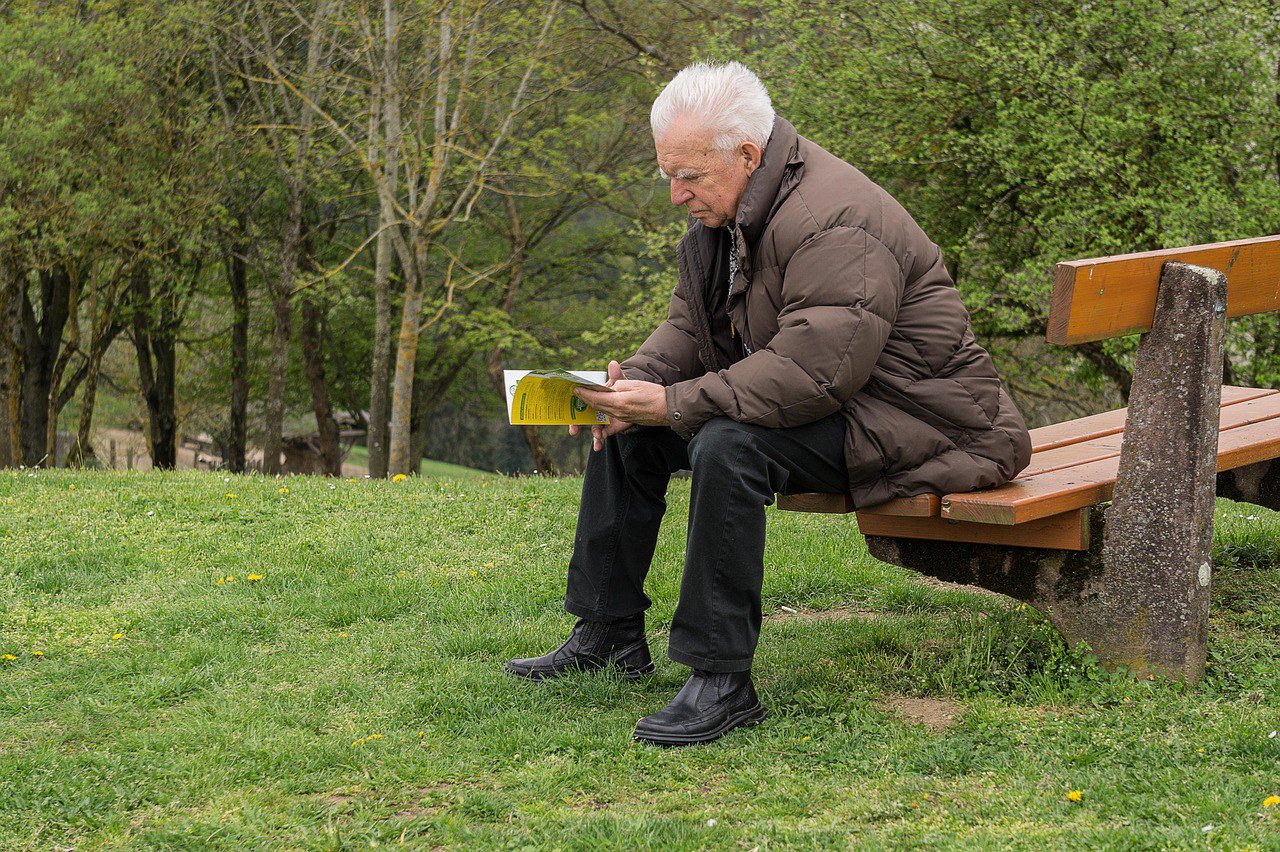
Solo athletes often overtrain. There is no coach saying “that is enough for today”, and no teammate to notice you are limping. Pushing through fatigue is how people end up injured or burned out, and it usually happens quietly over several weeks before anyone realises what is going on.
Schedule at least one or two rest days a week and write them into the plan. A planned rest day feels productive, while an accidental one feels like failure. A quick morning check helps: rate your energy from 1 to 5 before you train, and if it is a 1 or 2, drop the intensity. You are protecting the months of training still ahead of you.
Common Mistakes That Drain Motivation Fast

Solo athletes tend to fall into a few traps. One is rewriting the entire plan after a single missed week, when simply resuming with the next scheduled session would do. Another is comparing yourself with professional athletes on social media, who have coaches, medical staff, and far more time. A third is training only when you feel motivated, which quietly turns into training rarely.
That third trap is the most dangerous because it feels reasonable. Motivation is unreliable by nature, so a plan that depends on it will eventually fail. Structure matters more than mood, and that is the core of staying consistent without a team around you. Whatever tools you use to support that structure, from a notebook to an online tracker, choose ones you will still be using in six months.
Choosing the Right Support for Solo Training
No single method suits everyone. Free options like process goals and a training log cover most people. If you want more accountability, a paid coach or a virtual group can help, and the right choice depends on how you respond to outside pressure. Some athletes thrive on a weekly video call, while others prefer quiet, self-driven work.
If you are starting from zero, begin with the free tools for a couple of months. Only consider paying for a coach if you still cannot stick to a simple plan. For more practical reading on training habits, browse our sports life section, where we cover routines in more depth. If you want to see how other athletes keep their routines on track, our news section also covers the stories behind the scores. For a broader look at how training and competition fit together, you can also read inside the mind of a championship coach, which explores how elite coaches keep their own players focused.
Frequently Asked Questions
How many days a week should I train alone?
For most club players and weekend athletes, three to four sessions a week is a solid target, with one or two rest days. If you are returning after a break, start with two or three. The right number is the one you can maintain for months, not the one that looks impressive for two weeks.
What if I lose motivation completely for a few weeks?
It happens to almost everyone. Do not try to make up for lost time. Return to your minimum viable session, twenty minutes a day, and build back up gradually. Your log will also show that earlier progress did not vanish just because you took a break.
Is it better to train alone or join a club?
A club offers competition, tactics, and people who notice when you are missing. Training alone offers flexibility and independence. For long-term progress, most athletes benefit from a mix of solo sessions for skill and conditioning, plus a team setting whenever possible. If a club is not realistic, the methods above will take you a long way.
How do I know if I am overtraining without a coach?
Watch for a few warning signs. Your morning energy rating stays at 1 or 2 for several days, your effort rating keeps climbing for the same workload, your sleep worsens, or small niggles turn into persistent pain. Your training log is the best early warning system. If you see two or three of these at once, take a full week off and reduce the load when you return.