Daily Sports Pro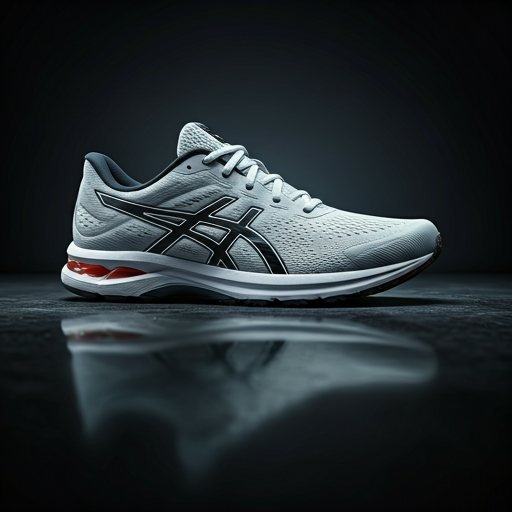
Carbon-plated marathon shoes have been the most disruptive piece of running technology in a generation, and the latest ultra-light silhouettes are pushing that disruption further than ever. We spent several weeks putting a new generation of these shoes through tempo sessions, long runs, and race-pace efforts to answer the question every serious runner is asking: does shaving grams off the shoe actually translate into shaving seconds off the clock, or is this just marketing dressed up in carbon fiber?
What’s Actually New Here
The headline change is weight, but weight alone has never been the full story with this category. What’s different this cycle is how manufacturers are cutting mass without sacrificing the propulsive foam stack that made carbon-plated shoes a phenomenon in the first place. Thinner, more tightly woven upper materials are shedding grams that used to be non-negotiable, while the midsole foam itself has been reformulated to hold its energy return properties at a lower density. The carbon plate — still the defining feature of the category — has been reshaped with a more aggressive curvature toward the forefoot, designed to encourage a faster rollover through toe-off without requiring the runner to consciously change their stride mechanics.
How They Performed on the Road
On tempo runs, the difference was noticeable within the first mile. The reduced weight makes the shoe all but disappear underfoot in a way that heavier carbon trainers never quite manage, and that translated into a genuine sense of effortless turnover at faster paces. Where things get more interesting is over distance. During longer efforts simulating race-day fatigue, the plate’s rigidity continued to deliver a propulsive snap through the latter stages of the run, when form typically breaks down and stride efficiency drops. That late-race consistency is arguably the more meaningful result than any single fast tempo split — marathon performance is decided as much by what happens in the final miles as by peak speed early on, and this is where the shoe earned its keep.
Fit, Feel, and Durability Trade-Offs
Nothing about this level of performance comes free. The upper’s reduced material means less structural support around the midfoot, and runners with wider feet or those who rely on a snugger lockdown for stability will likely need to size carefully or consider going a half-size down from their usual trainer. The foam’s lighter density also raises a durability question that’s common across this shoe category: shoes built to be this responsive tend to compress and lose their peak energy return faster than a heavier daily trainer, meaning this is very much a shoe built for race day and key workouts rather than a shoe you log high weekly mileage in. Treat it as a specialized tool, not an everyday trainer, and it holds up exactly as advertised.
Quick take
- Noticeably lighter than the previous generation without a flat, dead ride feel
- Plate propulsion holds up impressively late into long efforts
- Narrower, less structured upper rewards a precise, snug fit
- Best reserved for race day and quality sessions, not daily mileage
Who Should (and Shouldn’t) Buy In
For runners chasing a personal best in a marathon or half marathon, the case for this generation of ultra-light striders is strong — the combination of reduced weight and sustained plate propulsion through fatigue is a legitimate, measurable upgrade over the previous generation, not just a marginal refresh. Runners newer to carbon-plated shoes, or those who haven’t built the calf and Achilles strength to handle an aggressive rocker geometry, should ease in gradually rather than debuting them on race day. And anyone looking for a shoe to handle everyday training miles should look elsewhere in the lineup — this is a purpose-built racing tool, and it performs best when used exactly that way.