Daily Sports Pro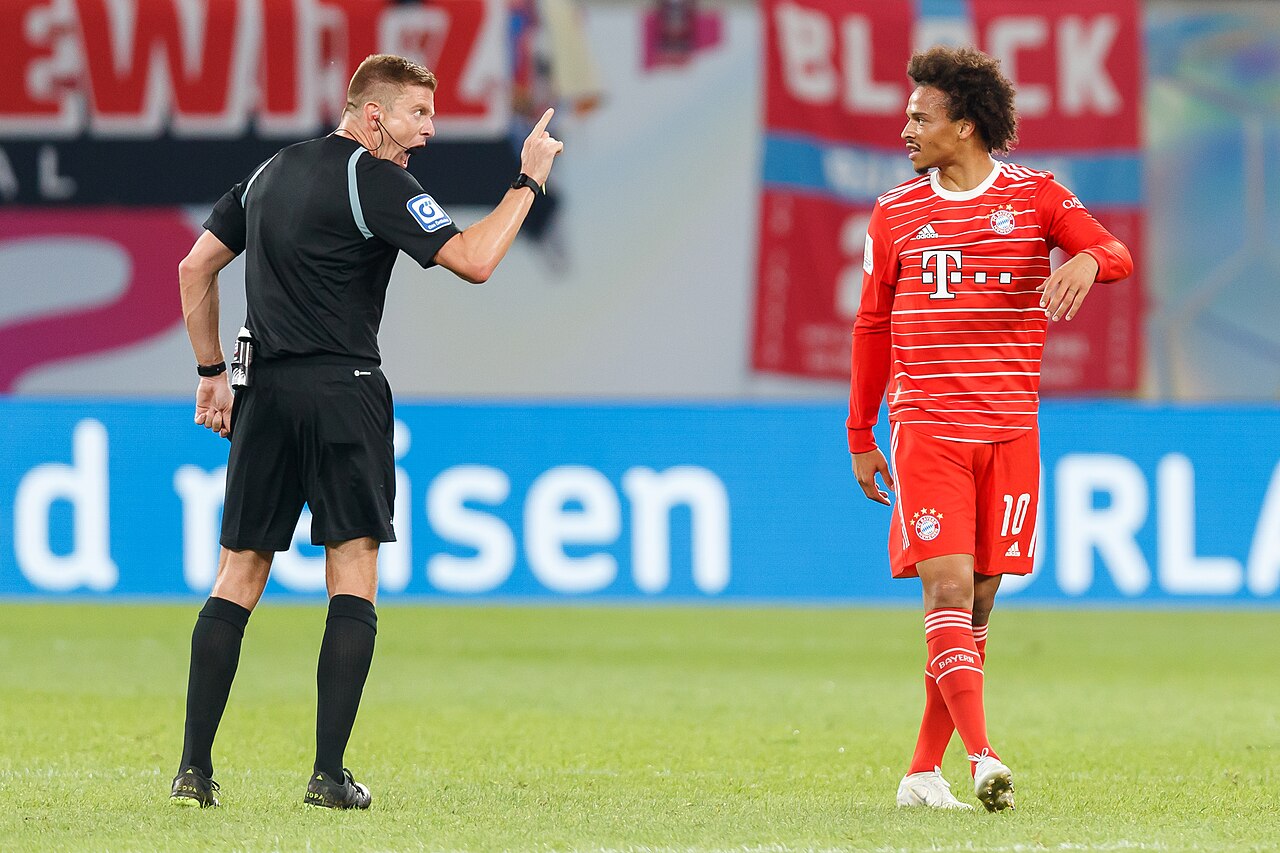
Championship games are supposed to be decided by execution, not officiating, but this year’s title game will be remembered for a flag as much as for anything either team did with the ball. A disputed call in the final minute overturned what looked like a title-clinching moment, and it’s already dominating the post-game conversation in a way that’s overshadowing the performances that got both teams there in the first place.
The Play That Changed Everything
With the outcome still very much in doubt in the closing seconds, the officiating crew made a judgment call on a play that unfolded too fast for anyone in the stadium to process in real time. Replay review only deepened the debate rather than settling it — multiple angles left room for more than one reasonable interpretation, and the extended delay while officials conferred only raised the tension further. By the time the final ruling came down, it had already reshaped the outcome of the game, and neither sideline was fully at peace with the explanation that followed.
What makes the moment so combustible isn’t just that it was close. It’s that it happened at the single highest-leverage point of the entire season, with a championship hanging on the interpretation of a rule that even trained officials often disagree on when reviewing it after the fact.
The Rulebook vs. the Replay
Part of the frustration stems from a gap that shows up in officiating debates almost every season: the difference between what the rulebook says in theory and what a play looks like at full speed. Rules built for clarity in a meeting room don’t always translate cleanly to a fast, physical sequence happening in real time, and replay technology — while it has eliminated plenty of obvious errors — hasn’t eliminated the subjectivity built into judgment calls.
Former officials who’ve reviewed the sequence publicly have landed on both sides of the debate, which tells you everything about how genuinely difficult the call was. That kind of split among people whose entire job is interpreting the rulebook correctly is exactly why fans on both sides feel so certain they’re right.
A Long History of Officiating Controversy
This isn’t the first time a game of this magnitude has been decided, at least in part, by a call that will be argued over for years. Nearly every sport has its own version of this moment — a play so consequential and so close that it becomes shorthand for a broader conversation about how much officiating should be allowed to shape outcomes at the highest level of competition.
- Leagues routinely review these moments afterward to determine whether a rule needs clarification.
- Officiating departments often issue statements acknowledging difficulty even when standing by the final ruling.
- Players and coaches on the losing side rarely get the closure they’re looking for, regardless of the explanation given.
History suggests this controversy won’t fade quickly. Moments like this tend to get replayed and re-litigated for years, long after the immediate emotion of the game itself has cooled.
Where the Conversation Goes From Here
In the short term, expect the losing team’s locker room to carry real bitterness, and rightfully so — a season’s worth of work altered in an instant by a call reasonable people can’t agree on is a brutal way for any campaign to end. In the longer term, expect the league to face renewed pressure to examine how these decisions get made, whether the review process needs further refinement, and whether additional training or technology could reduce the odds of a moment like this deciding a championship again.
None of that will change the final result. What it can change is how the next close call gets handled, and for a league that prides itself on competitive integrity, that’s the only real silver lining to pull from a finish this contentious.