Picture this: it is a Sunday morning, kickoff is at eleven, and half the squad is pushing toast around the plate because nerves have killed their appetite. We have watched this scene play out more times than we care to admit. Good match day nutrition basics for athletes are not complicated. They come down to a few habits you can actually stick to. Eat a carb-focused meal a few hours before the whistle. Keep fat and fibre low so the stomach stays calm. Top up with a small snack close to play. Then sip fluids steadily through the day.
Why Fuelling on Match Day Is Not the Same as Training
A training session is usually shorter and less intense than a competitive game. A match is a different animal altogether. It is high intensity, it can run for ninety minutes or more, and it asks your body to sprint, change direction and recover again and again. That is why the fuel stored in your muscles, called glycogen, matters so much. Think of it as the petrol in the tank. Run it low and the final twenty minutes feel like wading through mud.
Nerves are the second factor, and they are easy to underestimate. Early kickoffs and big occasions often shut the stomach down. When the body senses pressure, it pulls blood away from digestion. A breakfast that sat perfectly well on an ordinary Tuesday can suddenly feel like a stone in your gut. We have seen players skip breakfast altogether, then wonder why they hit the wall around the seventieth minute.
The mistake we see most often is copying a training-day diet. A heavy, slow-digesting lunch might suit a recovery day, but it is the wrong choice before a match. On match day the goal is simple: familiar, easy-to-digest food that your body can turn into energy quickly. Experimenting with new dishes can wait until the off-season.
Getting the Timing of Your Pre-Game Meal Right
The main meal should land roughly three to four hours before kickoff. That window gives your stomach time to empty, so you are not running around on a full belly. A plate of rice or pasta with some lean protein and cooked vegetables works well.
Keep the fat low. Fat slows digestion, and it can leave you feeling heavy the moment you start moving. Butter-heavy sauces, creamy dressings and fried sides are better saved for the weekend.
About sixty to ninety minutes before kickoff, a lighter carb snack tops up the tank. A banana, a rice cake with a thin layer of honey or a small bowl of fruit is usually enough. One of our regular contacts, a semi-professional midfielder, told us this routine settles his stomach far better than a second full meal ever did.
Sometimes the clock works against you. If you only have half an hour, keep it small and simple. A few bites of banana, or a sports drink taken in small sips, will do far more good than a sandwich sitting in your stomach through the first half.
Carbs and Hydration in the Hours Before Play
Carbohydrates are the backbone of match day fuel. The safest choices are the foods you already know your body tolerates. Rice, pasta, plain bread and potatoes are reliable options. Trying a brand-new carb source on the morning of a game is a gamble most athletes should avoid.
Hydration works best when it is steady. Sip across the hours before play rather than downing a large glass in one go. A simple check is the colour of your urine. Pale yellow usually means you are well hydrated. Dark yellow tells you that you needed to drink more earlier in the day.
Avoid chugging large volumes of plain water right before kickoff. A sloshing stomach is uncomfortable, and it can bring on cramps or an urgent trip to the toilet at the worst possible moment. Small, regular sips are the smarter approach.
Fuelling at Half-Time Without Overloading Your Stomach
Half-time is your chance to top up before the second half drains you. Short, quickly absorbed carbs work best here. Bananas, dried fruit and a sports drink are common choices because they are gentle on the stomach and get energy to the muscles fast.
Keep fluid to small sips. Gulping a big bottle at the break can leave you sloshing when the whistle goes for the restart. Treat half-time fuelling as a few mouthfuls, not a meal.
Our strongest advice here is to rehearse the routine in training. If you have never eaten dried fruit during a session, do not try it for the first time in a cup final. Nothing new on the day is a rule worth sticking to, however tempting a shiny new gel might look.
The Recovery Meal After the Final Whistle
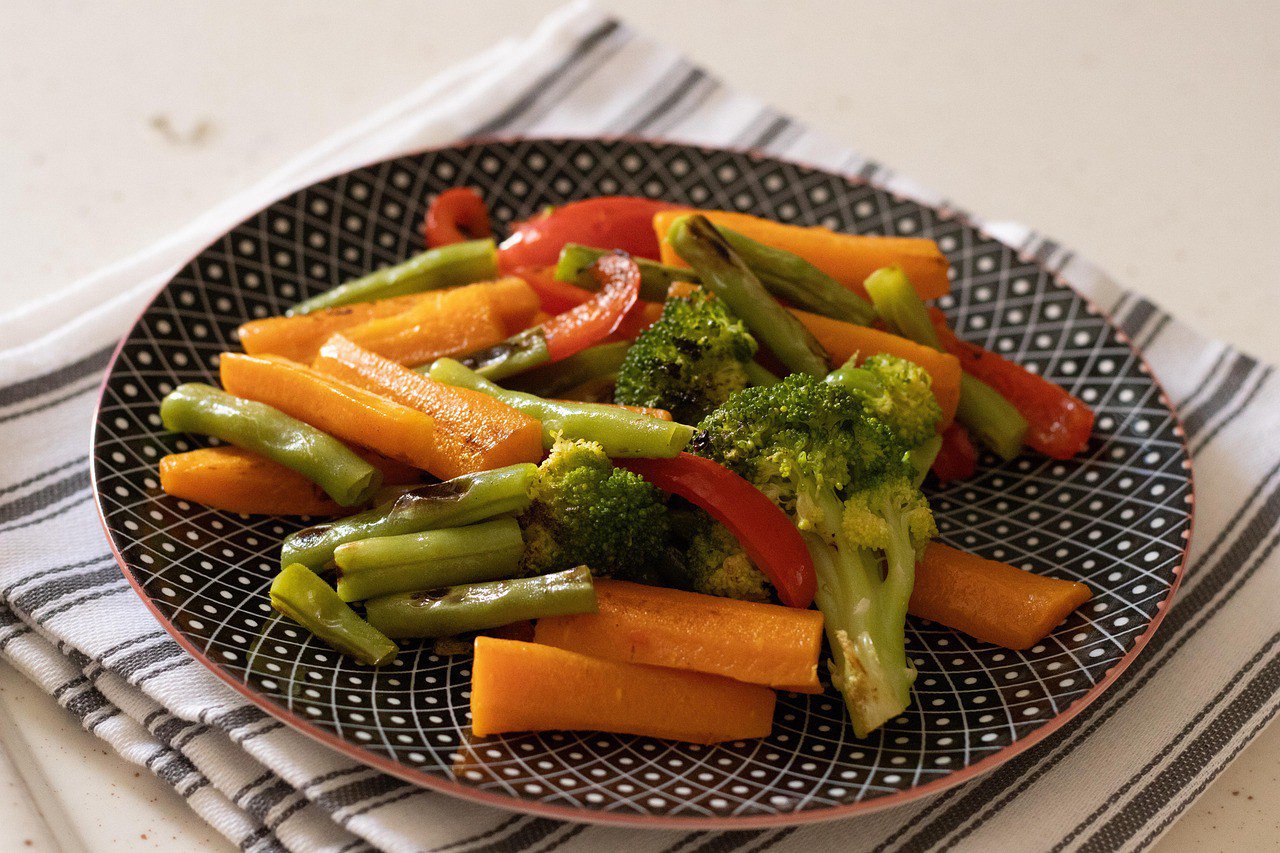
What you eat in the first hour or two after the game shapes how you feel the next morning. Aim to combine carbs and protein within roughly one to two hours of the final whistle. Carbs refill the glycogen you burned, while protein helps repair muscle that worked hard for ninety minutes.
Rehydrate gradually. If you sweated heavily, include some fluid with a little salt, because sodium leaves the body through sweat. Drinking a huge volume in one sitting is less effective than spreading it across the next few hours.
A simple home-cooked plate does the job well: chicken, potatoes and vegetables, or a rice bowl topped with eggs. You do not need anything fancy. If you are curious how professional squads plan recovery around a crowded fixture list, our feature behind the scenes at training camp shows how staff organise meals and rest around match schedules. For more on performance and the wider health side of training, you can also look at the resources tại đây.
Common Match Day Nutrition Mistakes We Keep Seeing

Heavy fried food too close to kickoff sits at the top of the list. It tastes great, but it moves slowly through the stomach and can leave you feeling flat. Save greasy meals for days off.
Trying new supplements or foods on match day is another trap. A gel that has never touched your stomach in training may cause cramps at the worst possible moment. We have seen a promising winger lose a crucial half to exactly this problem.
Skipping breakfast or lunch and relying on one big pre-game meal is the third common error. The body needs steady fuel across the day, not a single large dose. Small, regular meals from the morning onwards keep energy stable into the final minutes.
Gear and Fitness Habits That Support Performance

Nutrition does not work in isolation. Comfortable, well-fitted footwear reduces fatigue over a long match, because poor support forces your legs to work harder with every stride. If you are choosing boots for your pitch, our guide on firm ground vs artificial grass football boots walks through the differences that matter.
Sleep and training load matter as much as what is on your plate. Consistent sleep and a sensible training schedule keep energy levels steady through a long season. A tired athlete burns fuel less efficiently and recovers more slowly, no matter how perfect the menu.
Keep a simple log after each match. Write down what you ate, when you ate it, and how your stomach and legs responded. After a few weeks, that record will reveal which habits suit your body and which ones to drop.
A Sample Match Day Fuelling Plan
Use this as a starting point rather than a rigid rulebook. Adjust portions and timing to suit your digestion and the time your kickoff falls.
- Three to four hours before kickoff: rice or pasta with lean protein and vegetables
- Sixty to ninety minutes before: a banana or a rice cake with a little water
- Half-time: dried fruit or a sports drink, taken in small sips
- Within one to two hours after the final whistle: a carb-rich meal with protein and fluids
Early starts, late evening games and hot afternoons all call for a little tweaking. Test the plan in training first, then fine-tune it over a few fixtures until it feels routine.
Frequently Asked Questions
Should I eat before a morning match?
Yes, but keep it light and early enough to digest. If kickoff is at nine, aim for a simple carb-based breakfast around five or six in the morning. Follow it with a small snack about an hour before play if you feel hungry again.
How much water should I drink on match day?
No single number fits everyone, because sweat rates vary enormously. Sip steadily through the day and check the colour of your urine. Pale yellow is a good sign. If you sweated heavily in a previous game, replace some of that fluid afterwards rather than waiting until the next fixture.
Can I use energy gels or sports drinks during a game?
Many athletes do, especially in longer or hotter matches. Test them in training first so you know how your stomach reacts. Small amounts taken at set moments usually work better than large doses taken at random.
When should I see a sports dietitian?
If you struggle with persistent low energy, frequent stomach problems or unexplained weight changes, booking a session is worth the time. This article offers general guidance only. A sports dietitian can build a plan around your body, your position and your season.